
Which cards and e-wallets work at casinos not on GamStop?
 Available in GB
Payment infrastructure is the single most practical filter between a UK resident and any casino sitting outside the UK Gambling Commission perimeter. The methods that work, the methods that quietly fail at the issuer, and the methods that work only intermittently differ sharply from the UKGC-licensed sector. This page sits within the wider non-GamStop UK overview and sets out what currently functions, what regulators have constrained on the UK side, and where friction tends to surface during deposit and especially withdrawal cycles.
What does the UK regulatory picture look like for payment methods?
The starting reference point is the UK Gambling Commission ban on credit-card gambling, which came into force on 14 April 2020. From that date every operator holding a UKGC remote licence has been prohibited from accepting credit cards as a deposit instrument for any form of gambling product. The prohibition sits within the Commission’s wider payment-method requirements at Licence Condition 5.1.2, which the Commission amended on 31 January 2024 to tighten record-keeping and reverse-transaction handling.
None of that applies to a casino without a UKGC remote licence. A non-GamStop operator can and frequently does accept Visa Credit and Mastercard Credit, and the fact that it does is, in itself, a useful indicator: the venue is not aligning its payment stack with UK requirements. That observation matters because the same operator is unlikely to apply the broader Social Responsibility Code obligations a UK licence would impose.
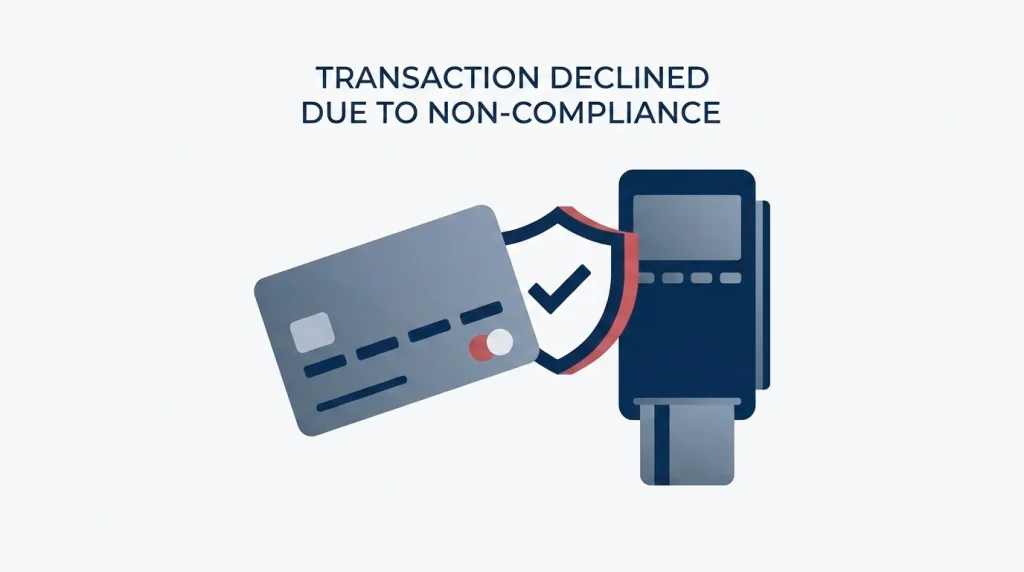
Practically, a UK player should read the appearance of a “Visa Credit accepted” badge on a casino cashier in the same way they would read any other UKGC-specific divergence: not as illegal in itself, but as evidence that the venue is operating under a different rulebook. For the wider picture of the protections that fall away outside the UKGC perimeter, see the wider risk picture.
How do debit and credit cards actually behave on non-GamStop sites?
The dominant card rails for British residents remain Visa Debit, Visa Credit, Mastercard Debit and Mastercard Credit. American Express has very limited footprint at offshore casinos, in part because Amex itself blocks gambling MCC codes on UK-issued cards. Maestro persists on some European-focused sites but is essentially obsolete in the UK after Mastercard’s phase-out.
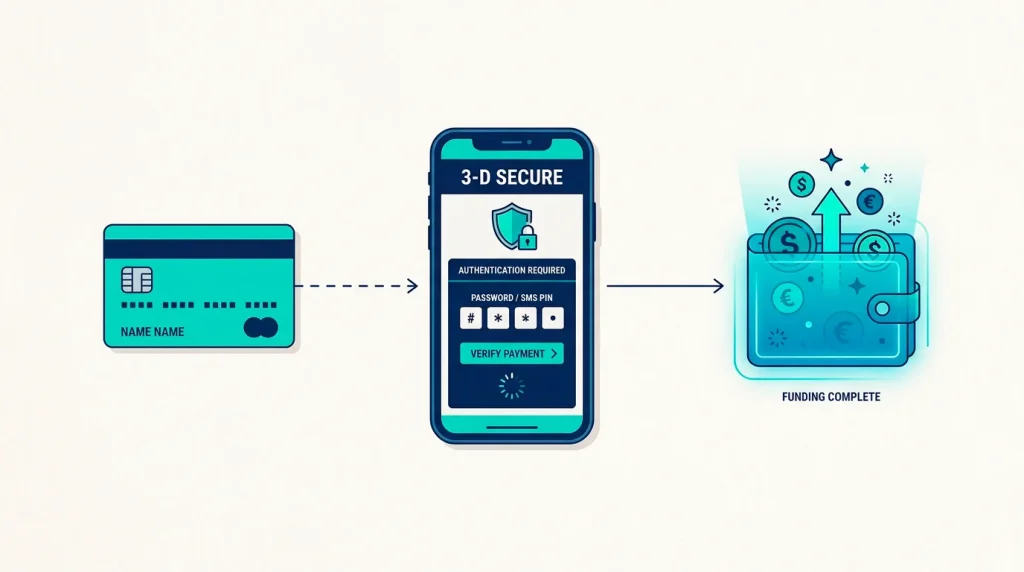
Deposit flow is typically the familiar 3-D Secure routine, with funds posted instantly. Minimum deposits in this segment sit between £10 and £20 at most cashiers, with maxima often £5,000 per transaction and higher monthly aggregates for verified accounts. Withdrawals are slower than deposits: a payout to a debit card commonly takes one to three business days after the operator approves it, which itself can take 24 to 72 hours pending KYC review.
Chargeback is the area where readers most often misread the position. A UK card chargeback in respect of a gambling loss is not a reliable remedy. Card schemes treat the gambling transaction as a service rendered once the wager has been placed, and UK issuing banks routinely refuse Section 75 and chargeback claims raised on that basis. The fact that an offshore operator has accepted a credit card does not import the consumer protections an in-scheme UK gambling transaction would lack to begin with.
What about prepaid cards and gift cards?
Paysafecard is the most common voucher route accepted in the non-GamStop sector, available at UK newsagents and convenience retailers in fixed denominations. Prepaid Mastercards from issuers such as Pockit and Suits Me work in most cases but lack any chargeback or recall pathway whatsoever, which is the trade-off for the privacy they offer. Standard high-street gift cards do not work as casino payment instruments.
Which e-wallets actually function for UK players?
The e-wallet landscape at non-GamStop casinos diverges noticeably from the UKGC sector. PayPal, ubiquitous on UKGC sites, is extremely rare offshore because PayPal does not hold merchant agreements with most non-UK-licensed gambling operators. Where a non-GamStop site appears to advertise PayPal, the reader should verify in the cashier itself before assuming the listing is current.
Skrill and Neteller, both Paysafe-group products, remain the workhorse e-wallets in this segment. Both are funded from UK bank accounts or debit cards and settle to operators within minutes; withdrawals to either wallet generally process in 12 to 48 hours once operator approval is given. MiFinity has become the most heavily promoted alternative in 2025 and 2026, partly because it has accepted onboarding from UK residents where some legacy wallets have tightened access. ecoPayz, now rebranded as PayzApp, occupies a similar niche.
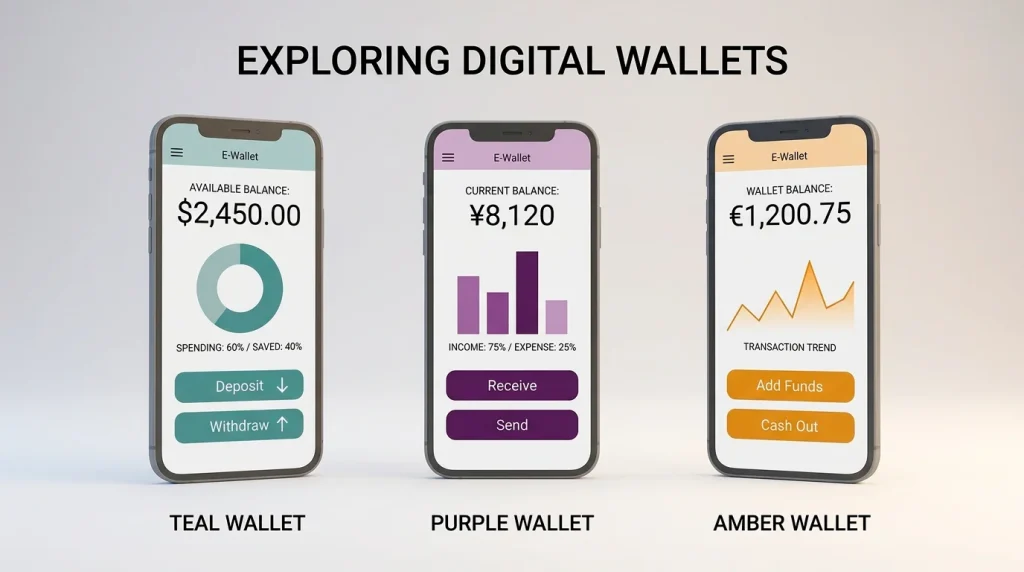
Revolut and Monzo, the two leading UK challenger banks, occupy a hybrid role. Both expose explicit gambling-block toggles in their apps, switching which the customer can elect to do. With the block turned off, both will usually pass a transaction to a non-GamStop merchant, although the operator’s acquiring bank may still reject the deposit at its end. Revolut in particular flags large or repeated gambling transactions for manual review under its compliance procedures.
For readers comparing payment infrastructure at specific brands, the operator-level payment specifics page lays out who actually advertises what, where data conflicts between site claims and player experience, and where withdrawal complaints cluster.
Does Open Banking work at non-GamStop casinos?
Open Banking, in the form of Trustly, Token.io and Volt, is the dominant deposit method on UKGC-licensed sites and one of the cleanest UX flows in the regulated market. It is materially less common offshore. The reason is straightforward: Open Banking initiation providers are themselves authorised by the Financial Conduct Authority, and they undertake counterparty due diligence on the merchants they serve. Many decline non-UK-licensed gambling merchants outright.
Where a non-GamStop operator does support Trustly pay-and-play style deposits, the deposit is instant and the audit trail is unusually clean by the standards of the segment. Withdrawal back through Open Banking rails is faster than card payouts when it works, but is not universally available, and operators sometimes funnel withdrawals into a different method even where deposit went through Trustly.
How do UK banks intervene in offshore gambling transactions?
The most consistent friction for UK players is not at the casino but at the issuing bank. Lloyds Banking Group, Barclays, HSBC UK, NatWest Group and Santander UK all expose a customer-controlled gambling-block toggle in their apps; with the block on, gambling-coded transactions are declined regardless of merchant location. With the block off, the bank still has discretion to refuse transactions to merchants whose merchant category code or acquiring profile suggests an unlicensed gambling operator.
That discretion has hardened. Through 2024 and 2025 several UK banks expanded the list of acquiring banks they refuse, with the result that the same card may successfully deposit at one non-GamStop site and be declined at another using the same merchant code but a different acquirer. Monzo and Starling, both digital-native banks, apply a similar layered approach.

For self-excluded users the picture is different again. GamBan, GamStop-adjacent software described on UK support resources and helplines, blocks at the device level rather than the bank level and applies to non-GamStop and offshore sites that bank-level blocks may miss.
What are realistic processing times and limits?
Minimum deposit thresholds in the non-GamStop sector typically sit at £10 to £20 across cards and e-wallets, with a handful of operators dropping to £5 for crypto deposits only. Deposit ceilings vary widely by KYC tier. An unverified account often sits at a £500 to £2,000 monthly cap, lifting once identity and source-of-funds checks complete.
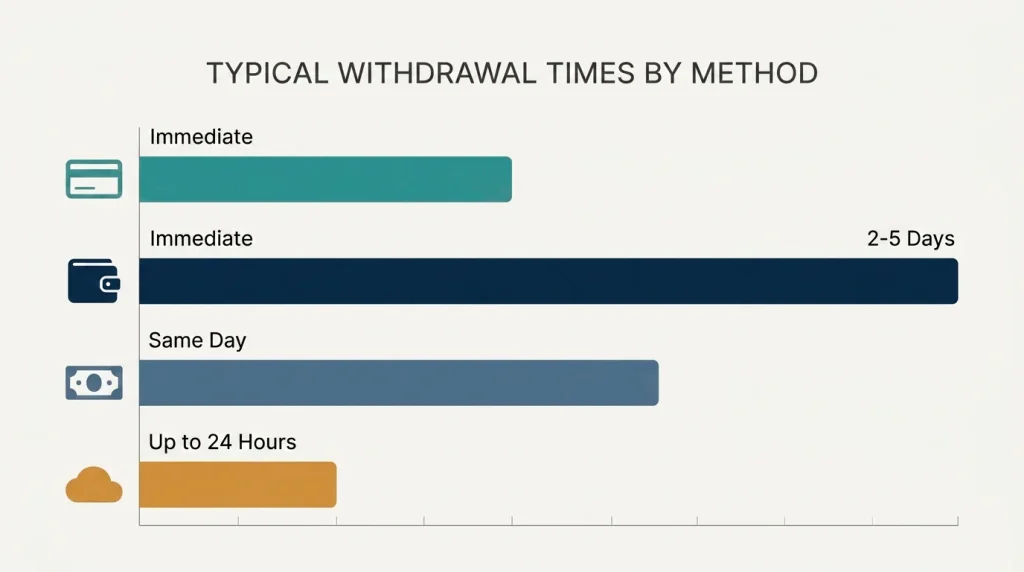
Withdrawal timelines, in business days unless stated:
- E-wallets (Skrill, Neteller, MiFinity): 12 to 48 hours after operator approval.
- Cards (Visa Debit, Mastercard Debit): one to three business days after approval.
- Bank transfer (SEPA or SWIFT): up to three business days for SEPA, longer for SWIFT.
- Open Banking (where supported): hours to one business day.
The variable that drives all of these is operator approval time itself, which is where most reader friction concentrates. A first sizeable withdrawal commonly triggers a full KYC review even if deposits flowed smoothly, and that review can run 48 to 96 hours regardless of which payment method the player chose.
How do card and e-wallet routes compare against crypto?
For a reader weighing whether the payment friction is worth navigating at all, the comparison against cryptocurrency payment mechanics is the natural next step. Cards and e-wallets offer familiar UK consumer rails, regulated fintech infrastructure on the deposit leg, and visible audit trails on a bank statement. Crypto removes most of that friction, often supports faster withdrawals, and bypasses UK bank blocks, but introduces volatility risk on the deposit-to-withdrawal cycle and a separate set of HMRC tax considerations on prior-investment crypto.
Bonus terms also vary by payment method. Some operators exclude Skrill and Neteller deposits from welcome offers; others apply lower wagering multipliers to crypto deposits than to card deposits. For the underlying mathematics, see the explainer on bonus terms tied to payment methods.
What practical checks should a UK player run before depositing?
Three checks pay back the few minutes they take. First, confirm the cashier actually lists the method the marketing page implies. Second, run a small deposit and request a small withdrawal before committing a meaningful balance, because withdrawal friction is the diagnostic test and not the deposit. Third, check the bank’s own gambling-block setting and the acquirer code the operator uses; if the bank declines, the issue is at the issuer and not at the casino.
Document everything. Screenshots of cashier promises, deposit confirmation emails and the operator’s stated withdrawal policy are the only evidence base a UK player has if a payment dispute escalates, given that the UKGC Alternative Dispute Resolution pathway does not apply outside the perimeter.
The full picture is in our guide to casinos not on GamStop.
When the card is blocked: crypto deposits.
Recommend
Published by the Casino Not on Gamstop team.