
Which non-GamStop casino sites have launched in 2026?
 Available in GB
“New” is a marketing category before it is a regulatory one. Most reporting of fresh non-GamStop launches treats novelty as a feature: bigger welcome bonuses, slicker visual design, fresher game catalogues. The harder reading treats novelty as a risk-marker, because limited operating history means limited evidence of how an operator handles disputes at scale. What follows is the 2026 picture for new sites in the non-GamStop segment, the regulatory context behind it (notably the post-LOK Curaçao framework), and a practical verification framework a UK reader can run on any platform before making a deposit.
Why is newness itself a risk-marker?
A non-GamStop operator that has been trading for five years has, by definition, accumulated five years of public consumer reporting. Withdrawal disputes, KYC frictions, account closures and bonus-term enforcement all leave traces on Trustpilot, AskGamblers, Casinomeister, LCB and Reddit. That cumulative track record is the closest thing the segment has to a quality signal in the absence of a UKGC-style ADR. An operator launched in 2025 or 2026 has not had time to generate a comparable record. The absence of red flags in the public record is not the same as the presence of clean operating practice.
The structural background sits in the wider post-LOK Curaçao licensing picture. The Curaçao reform that took effect on 24 December 2024 has materially simplified the route to a fresh licence, with substance requirements taking effect from 1 January 2026 and full enforcement deferred to 1 April 2027. The transition window has produced an unusually high volume of new-brand launches, some of them under existing operator groups and some of them new entrants. Sorting them apart requires a structured verification approach rather than headline-bonus reading.
What does a post-LOK Curaçao licence change for a new operator?
The headline change is the route. Under the previous master-licensee structure, an operator typically held a sub-licence under one of a small number of master-licence holders, and the public record of the licence was correspondingly opaque. Under LOK, the Curaçao Gaming Authority issues licences directly. The result, for new operators launched after 24 December 2024, is a cleaner public record of who holds the licence and what category it covers.
The catch is that the substance requirements are not fully enforced. From 1 January 2026 there is a transition window in which new operators are expected to be coming into compliance with local economic substance: real offices, hired personnel, governance on the island. That window closes for full enforcement on 1 April 2027. An operator launched in 2026 may therefore hold a LOK licence in good standing while still operating effectively as an offshore shell. That is consistent with the regulator’s transition policy but does not deliver the substantive uplift that a casual reader might infer from “newly licensed under the reformed framework”. The deeper context is set out in our walkthrough of the licensing jurisdictions at the regulator level.
What patterns are visible in the 2026 wave of launches?
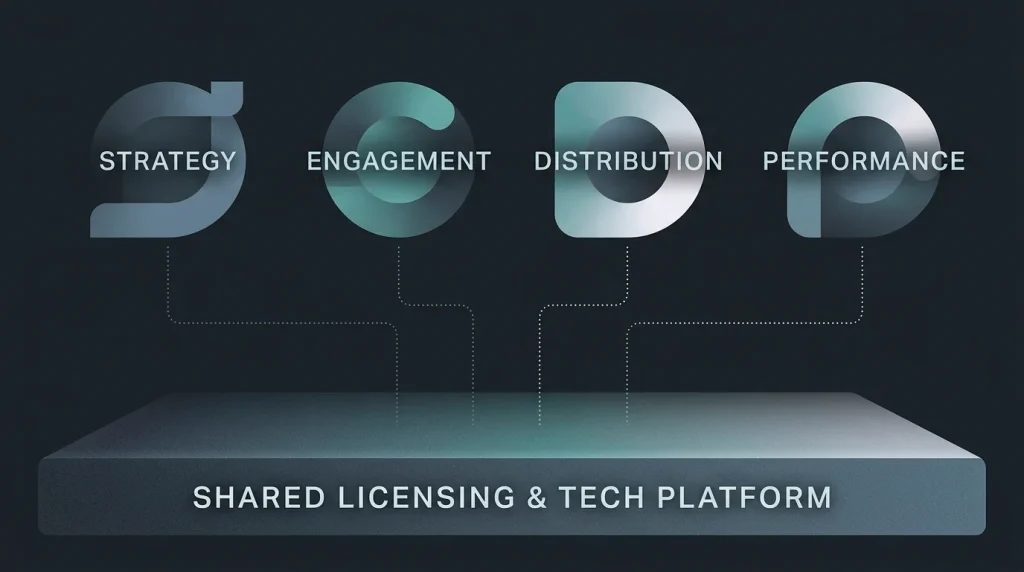
Three patterns are visible in the public record through the first half of 2026. The first is the rate of launch itself: new brands appearing weekly in trade-press coverage, with most of them displaying a Curaçao footer and a small number displaying Anjouan or other lower-tier licences. The second is the prevalence of shared technology stacks. Many of the 2026 launches use the same back-office platform, the same payment-provider integrations, and the same game-aggregator catalogue, which is consistent with a contracted B2B supply chain rather than independent operator engineering.
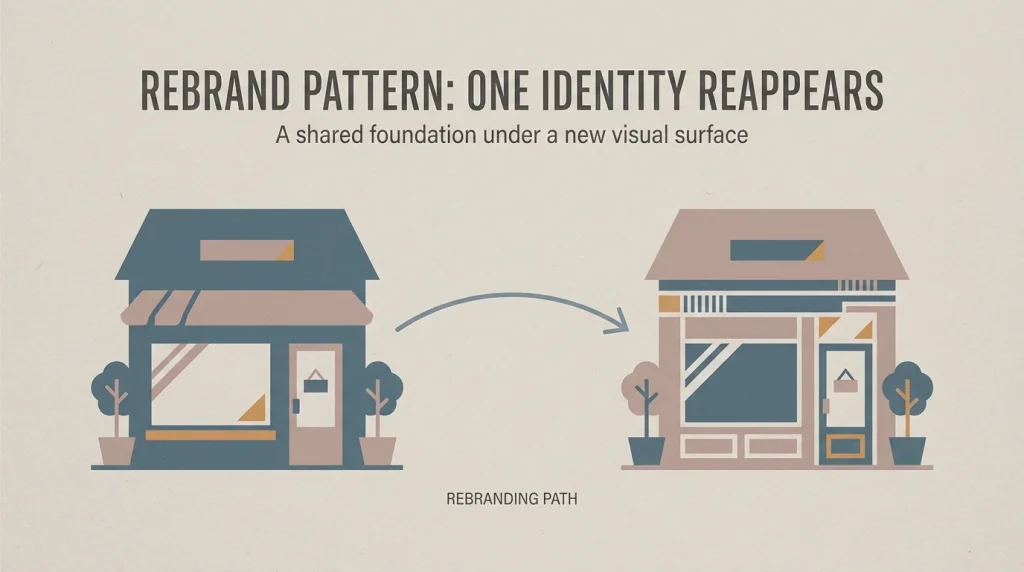
The third pattern is rebrands of existing platforms. An established operator with a damaged reputation on the older brand can launch a fresh brand under the same operating entity and effectively reset the public consumer record. The new brand has no historical Trustpilot trail. The technology, the support team, and the terms-of-service are typically inherited. A reader who treats the new brand as genuinely novel is reading the marketing rather than the operator. This is one reason the published listings on consumer-protection sites such as AskGamblers, Casinomeister and LCB are useful: they track operator entities and shared assets across brands, which surfaces the rebrand pattern earlier than the brand-level public record can.
How can a UK player verify a new non-GamStop site?
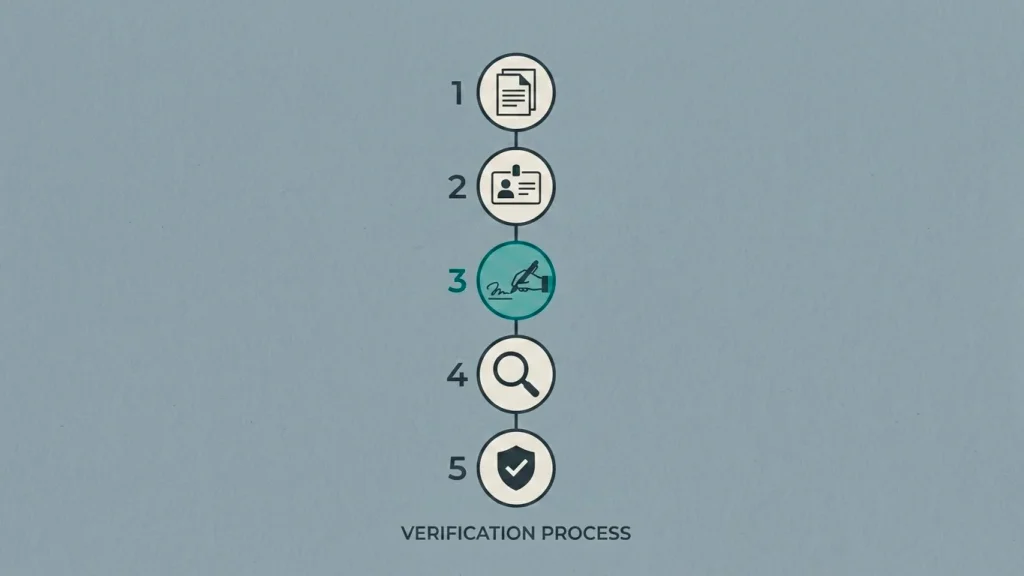
A practical verification framework runs through five checks, in order of cost and effort. None of them produces a guarantee, but together they produce a defensible reading of an operator’s structural credibility.
- Verify the licence number on the regulator’s own site. A Curaçao licence number can be cross-checked against the CGA’s public list. An MGA licence number is cross-checkable against the Malta Gaming Authority public licensee register. An Anjouan licence requires checking via the ABGB or ALSI documentation. A licence not appearing on the regulator’s list is, at minimum, mis-displayed.
- Identify the operating entity behind the brand. The operator footer should name the legal company that holds the licence, typically with wording along the lines of “the brand is operated by a named entity under a stated licence number”. The entity’s registration can usually be cross-referenced with the licence record. An operator that does not name an operating entity in its footer is operating below a basic transparency threshold.
- Check the entity’s history. An operator entity that runs multiple historical brands has a public footprint. Companies House, EU representative records and Curaçao corporate filings can show whether the entity has been trading recently or is freshly incorporated. A freshly incorporated entity operating a new brand with no associated historical assets is the highest-novelty profile in the segment.
- Cross-check the consumer record. AskGamblers, Casinomeister, LCB and the Trustpilot record together produce a triangulated reading. For a brand younger than six months, the record is necessarily thin; for a brand younger than three months, it is effectively absent.
- Read the terms of service for the withdrawal section. Bonus terms attract most reader attention but the withdrawal terms are where the structural friction sits. KYC trigger thresholds, withdrawal processing times, monthly withdrawal caps, and the rules around bonus-related forfeits are the categories that produce the bulk of disputes in the segment.
What about clone sites and rebrands designed to bypass blacklists?
Where a brand has been blacklisted by consumer-protection sites for repeated patterns of unresolved disputes, a clone or rebrand under a sibling entity is a recurring response. The visual design is refreshed, the brand name changes, and the operator effectively reappears in the market without the public reputational drag. The underlying patterns of operation tend to persist, because the operator’s commercial model, payment provider relationships, and customer support approach do not change with the rebrand.
Identifying a clone site is rarely possible from the brand-facing surface alone. It almost always requires either the verification framework above or a third-party tracker. Casinomeister and LCB maintain the most developed tracking of clone patterns in the segment. A new site that lists no operating entity, displays the same payment provider list as a recently delisted brand, and uses a near-identical terms-of-service language is a textbook candidate for further scrutiny. None of this is unique to 2026, but the volume of fresh launches under post-LOK Curaçao licensing has amplified the practical importance of the check.
What does “newer” mean for a player’s first significant withdrawal?
The single most informative test of an operator’s structural integrity is the first significant withdrawal. New operators have no track record on this point, and the marketing-vs-practice gap noted in the wider established roster analysis applies in amplified form to newer sites. KYC processes that are notionally completed at registration can be deferred to the withdrawal stage, monthly withdrawal caps that look generous in the terms-of-service can be applied conservatively in practice, and bonus-related forfeits can be applied retroactively after the wagering completion.
None of these frictions is exclusive to new operators. The point is that with established operators a reader has access to the cumulative public record of how the friction has resolved historically. With a new operator, the reader does not. That is the structural meaning of “newer” in this segment, and it operates independently of any individual operator’s intent. The bonus structures on new launches page covers the bonus-term reading in more detail, with the worked-example arithmetic that turns headline percentages into effective values.
How does UKGC enforcement interact with the freshness picture?
The UK Gambling Commission’s enforcement programme through 2024 and 2025 has been heavily weighted toward search-engine takedowns and cease-and-desist activity against advertisers. The 200,000-plus URL reports and the approximately 100,000 takedowns by October 2025 are the visible surface of that programme. A practical effect is that newer brands are more likely to appear in fresh search results, while longer-established brands have had more time to be flagged and removed. The pattern works in the opposite direction to the consumer record, which favours established brands.
This is a structural counter-incentive worth noting. A search result placing a new non-GamStop operator at the top of a UK query is not a quality signal: it is more likely to be a signal that the URL has not yet been processed by the UKGC’s takedown work. The wider Beyond GamStop UK overview sets out the regulator’s position on the segment as a whole.
How to read the 2026 launch wave in practice
The picture is structural rather than evaluative. New non-GamStop sites in 2026 carry the same protection gaps as the established roster, with an additional layer of risk arising from limited operating history. The verification framework above is the most useful tool a UK reader has to discriminate between novelty as marketing and novelty as risk. Where the framework is run, the picture usually clarifies quickly. Where it is not run, brand-level marketing tends to dominate the reading, and the structural questions go unanswered until they surface as friction at the withdrawal stage.
The full picture is in our guide to casinos not on GamStop.
How the established names compare: the operator comparison.
Recommend
Published by the Casino Not on Gamstop team.