
How do leading non-GamStop casinos compare on the key trust signals?
 Available in GB
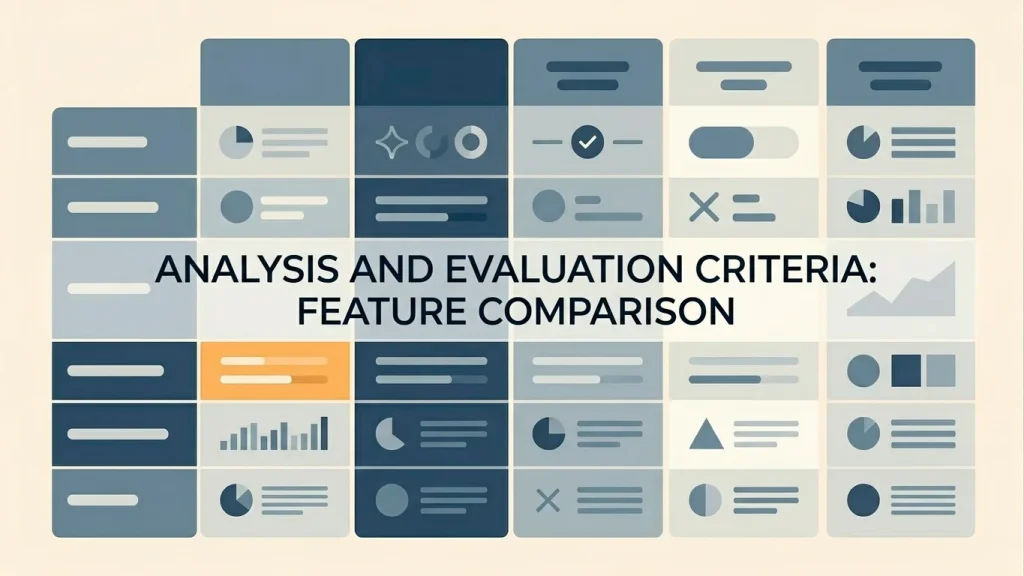
A list of operator names is not a comparison, and a comparison without verifiable structure is not useful. Eight non-GamStop brands dominate the UK-facing conversation in 2026 — MyStake, Velobet, Goldenbet, Cosmobet, Donbet, Freshbet, Lucky Mister and Pub Casino — and what follows reads them against the same set of trust signals: licence and jurisdiction, founding year, operating entity, payment methods, currencies, KYC threshold practice, withdrawal speed, and a single objective risk-marker per operator. The point is to give a reader the structure rather than a verdict. There is no “best” line; only a clearer view of how the segment is configured.
What does this comparison actually measure?
The data points used here are verifiable from operator footers, regulator listings, and contemporaneous reporting at the time of writing. Where founding dates conflict across sources, the discord is noted in the table itself rather than smoothed away. Trustpilot and AskGamblers pain points are summarised where they are recurring rather than one-off, and they are flagged as user-reported rather than presented as findings. There is no editorial ranking: operators are listed in the order they appear in the wider UK conversation. The wider licensing jurisdictions behind these operators are covered in detail in the dedicated licensing analysis.
How do the eight headline operators line up?
The table below sets out the comparable data points. Risk-markers are deliberately limited to one per row to keep the contrast legible; each is an objective property rather than a value judgement.
| Operator | Founded | Operating entity | Licence (declared) | Currencies | Crypto | Risk-marker |
|---|---|---|---|---|---|---|
| MyStake | 2019 | Santeda International B.V. | Curaçao | GBP, EUR, USD | Yes | Santeda sister-network exposure |
| Velobet | 2022 | Santeda International B.V. | Curaçao | GBP, EUR, USD | Yes | Account-closure reopening reports on consumer forums |
| Goldenbet | 2021 | Santeda International B.V. | Curaçao | GBP, EUR, USD | Yes | Same sister-network as MyStake / Velobet |
| Cosmobet | circa 2022-2023 (date discord) | Santeda International B.V. (reported) | Curaçao | GBP, EUR, USD | Yes | Founding-date inconsistency across public sources |
| Donbet | 2020 / 2023 (date discord) | Reportedly independent | Curaçao | GBP, EUR, USD | Yes | Limited transparent ownership disclosure |
| Freshbet | 2022 | Independent | Curaçao | GBP, EUR, USD | Yes | Newer brand, limited operating history |
| Lucky Mister | 2023 | Mr. Luck Casino group | Curaçao | GBP, EUR, USD | Yes | Linked to wider Mr. Luck group through shared technology stack |
| Pub Casino | early 2023 | Vertex Premier Limited | Curaçao | GBP, EUR | Selective | Limited operating history under the current entity |
What is the Santeda International network and why is it a risk-marker?
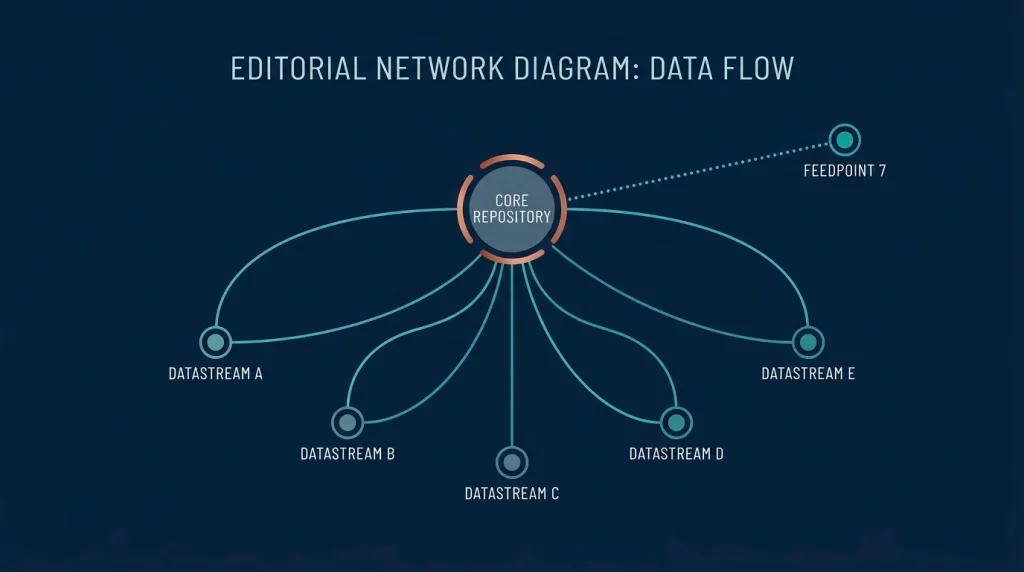
Santeda International B.V. is a Curaçao-registered company that operates a network of non-GamStop brands serving UK and European consumers. The publicly visible roster includes MyStake, Velobet, Goldenbet, Cosmobet and Rolletto, with reported linkages to Lucky Mister through the wider Mr. Luck Casino group and adjacent technology and operations relationships. The company maintains a European representative through Santeda International Limited in Cyprus, a structure typical of Curaçao-registered operators that need an EU-facing point of contact for payment processing and supplier relationships.
The sister-site structure is a risk-marker in its own right and is worth understanding even by a reader looking at any one of the brands in isolation. The reason is operational rather than ideological. When a single corporate entity operates multiple consumer brands under a shared back-office, a compromised customer account on one brand can trigger automated flags across the others, identical terms-of-service issues replicate across the network, and the quality of customer support is shared across the brand portfolio. A player who experiences an unresolved withdrawal dispute at one of the sites is unlikely to find a meaningfully different outcome at a sibling site.
That is a different proposition from a single-brand independent operator, where the resolution path is at least contained to one entity. None of this carries any direct legal implication: it is purely a structural observation. But it does change how the operator-level data points in the table should be read, and it is the kind of structural detail that is rarely surfaced in the commercial coverage of the segment. The licences explained walkthrough sets out how the Curaçao framework applies to network operators of this kind.
Where do the recurring consumer pain points sit?
Patterns of complaint across Trustpilot, AskGamblers, Casinomeister and Reddit threads are imperfect data, but they are consistent across the segment and across the eight brands listed above. Five categories of pain point appear repeatedly.
- Withdrawal delays
- The most common single category. Reports describe withdrawal requests sitting in “pending” status for periods longer than the operator’s published processing time, often resolved after KYC re-verification, sometimes resolved only after escalation through public consumer forums.
- “No KYC” marketing versus actual practice
- Some operators in this segment market themselves as “no KYC required” but apply KYC at the withdrawal stage rather than at deposit. The marketing implies the absence of verification; the practice is its deferral. The distinction tends to surface at withdrawal.
- Account freezes under investigation
- Accounts placed on hold pending review of “irregular play patterns” or suspected bonus abuse. Resolution times vary widely and the standard of evidence is set by the operator’s own terms-of-service rather than by an external regulator.
- Bonus-term enforcement
- Rejections of withdrawals on the grounds of bonus-term breaches discovered after the fact. This category is amplified by the absence of a UK-style mandatory plain-language summary of bonus terms.
- Account reopening after closure
- Closed accounts reactivated either after a player request that the player later disputes, or as a precondition for processing a pending withdrawal. Velobet-specific cases of this type appear repeatedly on consumer forums.
None of these pain points is unique to the non-GamStop segment, and similar friction can be found at any operator in any jurisdiction. What is different is the absence of an external recourse path. A UKGC-licensed site has an IBAS-backed ADR. None of the eight operators above does. That is the structural reason for the recurring nature of the patterns, rather than the patterns themselves being uniquely severe.
What does the payments profile look like across the set?
All eight operators accept GBP as a deposit currency and most accept EUR and USD. Card deposits at Visa and Mastercard are universal across the set, although individual UK card issuers may decline transactions to merchant codes associated with unlicensed gambling. Cryptocurrency is available across all eight, with Bitcoin, Ethereum, Tether and Litecoin being the most consistently supported and several operators adding Solana, Dogecoin and selective stablecoin support. Bank transfer is offered by most but is typically the slowest withdrawal channel. The technical depth of these payment routes, including UK banking blocks at Lloyds, Barclays, HSBC, NatWest and Santander UK, is set out in the dedicated payments analysis.
How do the bonus structures vary across the set?
Headline welcome match percentages on this set vary between 100% and 400%, with several operators positioning themselves at 250%-300% to be visibly larger than the typical UKGC offer. The headline percentage is not the only number that matters: wagering multipliers between 30x and 50x are common on the set, max-bet-during-wagering rules between £2.50 and £5 are typical, and game-weighting reductions on live dealer and table games are universal. The bonus terms behind the offers page sets out the practical maths for the worked-example case. The relevant context here is that headline generosity at the offer level does not translate uniformly into effective value across the set.

Methodology and data-source disclosure
The operator-level data points in this comparison are drawn from operator-published footers, EU representative filings where available, regulator listings, and contemporaneous trade reporting. Where a date or an ownership statement varies between sources, the variation is noted in the table itself with the phrase “date discord” or “reported”. This is deliberate. A reader doing their own diligence at the level of an individual operator should expect to encounter the same source variation and to interpret it conservatively.
Founding dates in the offshore segment are often inconsistent because brands are launched, paused, rebranded and relaunched without retention of a single corporate timeline. A 2020 launch followed by a 2023 relaunch under the same brand can produce “2020” in one source and “2023” in another, and both can be defensible. Ownership disclosure is similarly variable: Curaçao registrations do not require the same level of beneficial-ownership transparency that the UKGC requires of its licensees, and the result is a thinner public record. The context for these operators sits in the UK legal status of operators analysis on the regulation side.

What about the operators not on this list?
The eight names above are the most consistently surfaced in 2026 UK-facing search and editorial coverage. There are several dozen others operating at smaller scale or for shorter operating histories, and a recurring pattern of new launches under post-LOK Curaçao licensing is widening the field through 2026. The 2026 newcomers page tracks the freshness picture in more detail. Newness is itself a risk-marker because a limited operating history means limited evidence of how the operator handles disputes at scale.
What this comparison should and should not be used for
This page is not a recommendation. It is a structured reference point for a reader who is going to encounter these operator names anyway and would benefit from a neutral data layer underneath the headline marketing. The eight operators above all hold offshore licences, all sit outside the UKGC perimeter, and all carry the risk-marker pattern documented across the segment. The wider context, including the protections package those licences do not replicate, is set out in the non-GamStop guide for UK readers and in the safety-side analysis of risks and protections.
The full picture is in our guide to casinos not on GamStop.
What sits behind each of them: the licences.
Recommend
Published by the Casino Not on Gamstop team.